

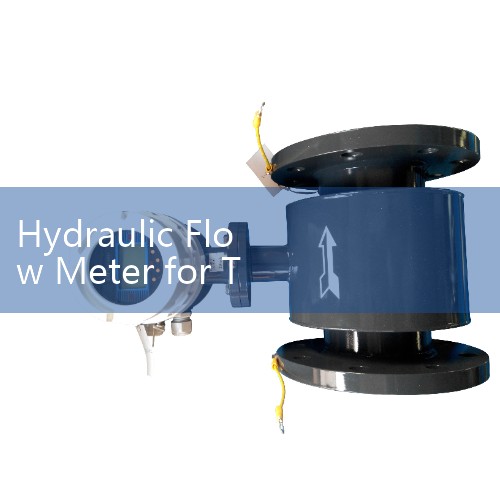
『Hydraulic Flow Meter for Tractors: Diagnosing Auxiliary Hydrostatic Outlet Flow Restrictions and Pump Wear』Related information(flow rotameter|digital flow meter|balo meter|hydraulic flow meter|volumetric meter|positive displacement meter|pitot tube flow meter|displacement meter|cfm meter|variable area flow meter|inline flow meter|differential pressure flow meter|calibrated flow meter|velocity meter|paddle wheel flow meter|oval gear flow meter|anemometer hvac|multiphase flow meter|doppler flow meter|thorpe tube flowmeter|heat flow meter)
Hydraulic Flow Meter for Tractors: Diagnosing Auxiliary Hydrostatic Outlet Flow Restrictions and Pump Wear
Quick Answer: Use a hydraulic flow meter on the auxiliary hydrostatic outlet to test pump health and find flow restrictions. At normal oil temperature 50 to 60 °C and full engine speed, flow below 80 percent of factory spec usually means internal pump wear or a blocked valve or orifice. A portable oval gear flow meter rated for 420 bar and 30 to 400 L/min covers most tractors from 60 to 350 hp.
Why a Hydraulic Flow Meter Is the Fastest Diagnostic Tool
Most tractor hydraulic faults show up as slow loader movement, weak steering, overheating, or noisy pump. But pressure readings alone do not tell you pump health. A flow meter connected in series at the auxiliary outlet measures actual oil delivery. This test splits the problem into two sides: pump output and downstream restriction.
Because a hydrostatic outlet returns oil to tank, the flow path is easy to access. You do not need to open the gearbox or remove valve sections. Use JIC or BSPP adapters and a low pressure return hose. Run the engine at rated speed. Record flow at zero pressure first. Then restrict the load valve gradually up to 70 bar. Flow drop under load points to pump wear. A sharp flow drop with little pressure rise points to a restriction or a bypass valve stuck open.
Typical Tractor Hydraulic Specifications to Check
Most tractors built after 2010 run a gear or piston pump with output between 30 and 180 L/min. Compensated systems may use 200 to 250 bar. High flow systems for larger planters or loaders reach 280 to 350 bar. Check the factory service manual for the auxiliary outlet flow at rated engine speed. For example a 100 hp tractor may deliver 60 to 70 L/min at 2,200 rpm. At 50 °C with ISO VG 32 or 46 oil, repeatability should stay within ± 2 percent. If your measured flow is below 80 percent of specified flow, you have a problem. Port sizes often run from DN10 to DN25 or 3/8 inch to 1 inch BSPP. Your flow meter needs to match the port adapter and the maximum pressure.
Pump Wear vs Flow Restriction: How to Separate the Two
Here is the thing. A restriction often causes high pressure before the blockage and low flow after it. Pump wear causes low flow under load and a slow pressure build. Use a pressure gauge before the flow meter and a needle valve after the flow meter. Close the needle valve slowly while watching the pressure. If flow falls but pressure stays low, the pump is worn or the relief valve is leaking. If pressure spikes quickly and flow falls hard, look for a blocked quick coupler, a collapsed hose, or a closed manual valve. So the same flow meter test gives you both pump and circuit health.
We have seen this on customer sites many times. A service team in Western Australia spent two days replacing a loader control valve. The real fault was a worn pump that lost 22 percent flow at 100 bar. A hydraulic flow meter test would have found it in 20 minutes.
Choosing the Right Hydraulic Flow Meter for Tractors
Not every flow meter works for hot hydraulic oil and high pressure. Select a portable or inline flow meter with a flow range of 30 to 400 L/min for most agricultural tractors, or 10 to 100 L/min for compact tractors and skid steers. Pressure rating should be at least 300 bar, better 420 bar. Oil temperature range should cover 0 to 90 °C, with a display that reads in L/min and °C. Viscosity range 20
_600x400.jpg)
In practice, an oval gear flow meter with a digital display works well because it is accurate on viscous oil and does not need straight upstream pipe. Some users prefer a turbine flow meter for lower pressure drop. Silver Instruments supplies both types for hydraulic test stands and field service kits. Send us your flow range in liters per minute, pressure in bar, oil temperature in degrees Celsius, and port size. We will recommend a model with the correct adapters and seal material.
Field Test Procedure in Seven Minutes
Most engineers skip this part and replace the pump first. Start the engine and warm up oil to 50 to 60 °C. Connect the flow meter between the auxiliary male and female couplers. Open the ball valve fully. Run engine at rated speed. Record zero pressure flow. Slowly close the load valve to 70 bar. Record flow again. Open the valve and shut down. Compare both numbers with the factory spec. If zero pressure flow is low, check suction strainer, filter bypass, and oil level before blaming the pump. If loaded flow drops more than 15 percent from zero pressure flow, plan a pump rebuild or replacement. This procedure works for John Deere, Case IH, New Holland, Kubota, and Massey Ferguson tractors.
Frequently Asked Questions
What size hydraulic flow meter do I need for a 100 hp tractor?
A 30 to 100 L/min meter with 420 bar rating covers compact and mid size tractors. For 150 hp and above, choose a 40 to 250 L/min range. If you test planters and high flow loaders, select 30 to 400 L/min.
Can I use a hydraulic flow meter on the auxiliary outlet under full system pressure?
Yes if the meter and load valve are rated for full system pressure. Most field test meters have a loading valve and pressure gauge. Keep the return hose open to tank. Do not deadhead the meter without a relief path.
What oil temperature is best for a tractor hydraulic flow test?
50 to 60 °C. Cold oil gives misleading high flow readings on some gear pumps. Hot oil above 80 °C may hide pump slippage because viscosity drops. Always record temperature with the flow reading.
How do I know if the pump is worn or the auxiliary valve is blocked?
Compare zero pressure flow and loaded flow at 70 bar. A blocked valve or quick coupler causes a sharp flow drop and high pressure before the meter. Pump wear causes low loaded flow with sluggish pressure build.
What accuracy should a field hydraulic flow meter have?
For diagnostic work, plus or minus 1.0 to 2.0 percent of reading is enough. Repeatability matters more. Look for a meter with a strong digital display and temperature compensation.
Get a Quotation for a Tractor Hydraulic Flow Meter
Silver Automation Instruments supplies oval gear, turbine, and inline hydraulic flow meters for service trucks, workshop test benches, and OEM tractor diagnostic kits. We ship to Australia, New Zealand, Southeast Asia, Latin America, Africa, and the Middle East.
Contact us at Tel: +86-25-68650347, WhatsApp: +86-25-52155837, WeChat: +86 15365082610.
Send us your flow range in L/min, pressure in bar, oil temperature in °C, port size in BSPP or SAE, and if you need an ISO 17025 calibration certificate. We will reply with price, delivery, and a recommended model for your tractor hydraulic diagnostic work.
 Hot Product
 Related AD