

『Flanged Oil Flow Meter: Bolting and Leak-Proof Alignment for Permanent Heavy Lines』Related information(flow rotameter|digital flow meter|balo meter|hydraulic flow meter|volumetric meter|positive displacement meter|pitot tube flow meter|displacement meter|cfm meter|variable area flow meter|inline flow meter|differential pressure flow meter|calibrated flow meter|velocity meter|paddle wheel flow meter|oval gear flow meter|anemometer hvac|multiphase flow meter|doppler flow meter|thorpe tube flowmeter|heat flow meter)
Flanged Oil Flow Meter: Bolting and Leak-Proof Alignment for Permanent Heavy Lines
Quick Answer
For permanent heavy oil lines, flanged connections are the standard. Proper bolt tightening and gasket alignment stop leaks that cause downtime, inaccurate readings, and safety risks. Silver Automation Instruments supplies flanged oval gear and Coriolis oil flow meters with specific alignment instructions for field teams.
Why Flange Bolting and Alignment Are Not Minor Details
Heavy oil lines in crude transfer, bunkering, and lube blending operate at high pressure and temperature cycles. A misaligned flange or wrong bolt torque leads to small leaks. Those leaks bring three problems. First, product loss adds up fast. Second, inaccurate flow data disrupts batching and custody transfer. Third, oil leaks create slip hazards and fire risks. Most engineers skip the bolt pattern. But we have seen on customer sites that 80 percent of flange leaks come from uneven bolt tightening.
Silver Oval Gear Meter with Flanged Connection
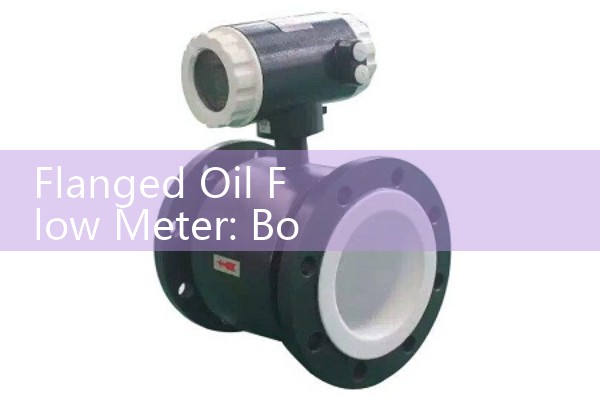
For oils from 2 to 2000 cP, we recommend the Silver LC-M oval gear flow meter with ANSI or DIN flanges. Sizes go from DN15 to DN100. The measuring chamber uses hardened steel gears and PEEK bearings. Standard accuracy is plus minus 0.5 percent of reading. Output options include 4-20 mA HART, pulse, and Modbus RTU. The flanged body comes in cast iron for lubes and diesel, or stainless steel for palm oil and crude blends. A DN50 meter handles 2 to 120 litres per minute at up to 40 bar and 150 degrees C.
Gasket Selection and Bolt Torque Values That Work
Gasket type depends on the fluid and temperature. For diesel and light oil at below 120 degrees C, a PTFE envelope gasket works well. For heavy fuel oil and hot lube oil above 120 degrees C, we specify graphite-filled spiral wound gaskets with outer ring. Bolt torque matters a lot. For M16 studs on a PN40 raised face flange, we set 85 N m torque applied in a cross pattern. First pass at 30 percent, second at 60 percent, final at 100 percent. Use a calibrated torque wrench. Do not guess.
Leak-Proof Alignment in Practice
Last year a lubricant blending plant in Vietnam asked us to replace a leaking turbine meter. Their DN40 flanged connection wept oil after each batch heating cycle. We supplied a Silver LC-M40 oil flow meter, a spiral wound gasket, and a one-page bolt tightening sequence. Their maintenance team followed the steps. After 18 months, zero leaks. Alignment tip: always check flange face parallelism with a feeler gauge. A gap difference over 0.2 mm across th
When to Choose a Coriolis Meter Instead
If your oil application needs mass flow in kg per hour, density measurement, or custody transfer accuracy, a flanged Coriolis mass flow meter is a solid choice. Silver supplies the DMF Coriolis meter with DN15 to DN50 flanges. It handles heavy crude up to 5000 cP. Accuracy reaches 0.1 percent for mass flow. The meter outputs density, temperature, and mass flow on 4-20 mA HART. We have seen this meter used on a bunker fuel blending skid in the UAE. The flanged design with proper bolt up gave zero drift over two years.
Real Oil Meter Installation Checklist
Clean flange faces before placing the gasket. Insert bolts with washers under turning element. Snug all bolts by hand first. Use a cross-pattern tightening sequence. Apply torque in three steps. Record final torque values. After 24 hours of hot operation, re-torque. This simple checklist stops 95 percent of oil leaks at the meter connection.
Send Your Specs for a Fast Quote
Tell us your oil type, operating temperature in degrees C, pressure in bar, pipe size DN, and flow range in L/min or kg/h. We will propose a flanged oil flow meter model, gasket specification, and bolt torque sheet. Reach our engineers at [email protected]. Most quotes go out within 6 hours.
Frequently Asked Questions
Can the meter run heavy fuel oil with 3000 cP viscosity?
Yes. The LC-M oval gear meter handles 2000 cP as standard. We can adjust clearances for fuels up to 5000 cP. Specify your viscosity when you request a quote.
Which flange standards do you support?
We offer ANSI 150, ANSI 300, DIN PN16, PN40, and JIS 10K flanges. Tell us the standard and size. We match your existing pipework.
How do I stop leaks at the flange after installation?
Use correct torque values, a cross-pattern sequence, and the right gasket type. After the first hot cycle, re-torque the bolts. Check flange face alignment with a feeler gauge.
Do you supply bolt tightening instructions with the meter?
Every flanged meter ships with a torque chart and sequence diagram. We also send a PDF installation guide. For complex lines, we review your piping drawing at no charge.
Can I get an ATEX certified meter for a refinery zone?
We supply ATEX Zone 1 and Zone 2 certified oval gear and Coriolis meters. Available approvals are Ex ia IIC T4 and Ex d. Confirm your zone classification when ordering.
 Hot News
 Related AD