

『Helical Flow Meter Working Principle: High-Torque Positive Displacement Rotors for Resins and Glues』Related information(flow rotameter|digital flow meter|balo meter|hydraulic flow meter|volumetric meter|positive displacement meter|pitot tube flow meter|displacement meter|cfm meter|variable area flow meter|inline flow meter|differential pressure flow meter|calibrated flow meter|velocity meter|paddle wheel flow meter|oval gear flow meter|anemometer hvac|multiphase flow meter|doppler flow meter|thorpe tube flowmeter|heat flow meter)
Helical Flow Meter Working Principle: High-Torque Positive Displacement Rotors for Resins and Glues
Quick Answer: A helical flow meter measures resin and glue by rotating two high-torque positive displacement rotors inside a precision chamber. Each rotor pocket traps a fixed volume, so flow output stays linear even at high viscosity. Silver Automation Instruments supplies stainless steel helical flow meters from DN15 to DN80 for epoxy, polyurethane, silicone, and hot melt glue lines.
Working Principle of a Helical Flow Meter
Inside the meter body, two precision helical rotors sit in a close fit chamber. Material enters the inlet, fills the rotor pockets, and pushes the rotors. The rotors never touch each other or the housing. A pickup sensor on one shaft reads each full rotation. Frequency equals flow rate. Each pulse equals a fixed volume.
Because the chamber volume is fixed, viscosity changes do not change the meter K factor. This is different from a turbine meter or a differential pressure meter. High viscosity actually helps by reducing slip. For resin and glue, slip is small, so accuracy stays around plus or minus 0.5 percent of reading or better.
High-Torque Rotors Matter for Resin and Glue Service
Glues and resins can be 5,000 cP, 50,000 cP, or even 200,000 cP. A normal oval gear meter can shear or stall during cold startup. High-torque helical rotors have wider thrust faces and stronger shaft materials. The rotor geometry creates axial flow with low pressure drop. That reduces shear and protects the formulation. If a resin has fillers or pigments, the large rotor pockets pass solids better than a turbine meter.
We have seen this on customer sites many times. A wood adhesive plant in Vietnam runs filled urea resin through a DN40 helical meter at 80 °C. The operator used to clean an orifice plate weekly. Now the meter runs for months without drift.
Typical Resin and Glue Applications
Helical flow meters work well in polyurethane dosing lines, epoxy mixing systems, silicone sealant filling, hot melt adhesive transfer, and polyester resin batching. In Malaysia, a polyurethane resin producer uses a DN25 meter on a hardener line at 12 L/h. A glue skid builder in Brazil installed a DN40 jacketed meter for hot melt adhesive at 140 °C. A customer in Saudi Arabia measures filled epoxy with a DN50 meter at 8 bar.
Sizing Parameters and Recommended Models
For DN15 and DN20 lines, Silver Instruments recommends the HPD-15 and HPD-20 stainless steel positive displacement helical flow meters. Typical flow range is 0.1 to 20 L/min depending on viscosity. For DN25 and DN40 lines, the HPD-25 and HPD-40 cover 0.5 to 120 L/min. For DN50 and DN80 lines, the HPD-50 and HPD-80 cover 5 to 600 L/min. Standard maximum working pressure is 100 bar and standard maximum working temperature is 180 °C.
Standard outputs are 4-20 mA, pulse, and RS485 Modbus. HART is optional. Send us pressure in bar, temperature in °C, pipe
Installation Notes for Glue and Resin Lines
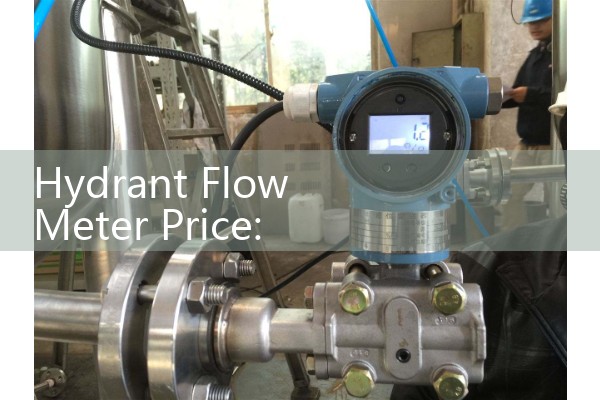
Positive displacement meters do not need long straight pipe runs. A helical rotor meter can be mounted close to a pump outlet. Use a strainer upstream if the resin has particles larger than 0.5 mm. Do not let the meter run dry. If the glue solidifies at room temperature, add a heating jacket or heat tracing. Install isolation valves and a bypass for startup with cold product.
Most engineers skip this part, but cold start is the main reason a resin meter gets damaged. Keep the meter full and avoid air pockets. Air causes false pulses because gas compresses. A small air vent upstream helps during commissioning.
Outputs, Accuracy, and Calibration
Silver Instruments calibrates each helical flow meter on a reference oil with viscosity close to the customer fluid. If you plan to measure a fluid at 50,000 cP, state that during quotation. If the meter is used at 2,000 cP later, the K factor may shift slightly at low flow. In many dosing lines, repeatability is more important than absolute accuracy. Helical meters often show repeatability of plus or minus 0.1 percent or better.
Frequently Asked Questions
Question 1: What viscosity range can a helical flow meter handle for glue?
Answer: Standard units handle 100 cP to 100,000 cP. High clearance versions handle up to 500,000 cP or higher for filled resins. Give us cold and hot viscosity because both affect startup torque.
Question 2: Can a helical flow meter handle filled resin or abrasive material?
Answer: Yes, if you choose hardened rotors and a strainer. Use tungsten carbide or ceramic bearings for abrasive fillers such as calcium carbonate, titanium dioxide, or silica. Standard 316L rotors are fine for clean glues.
Question 3: What output signal is best for a resin dosing skid?
Answer: Pulse output is common for PLC batching. A 4-20 mA signal is better for long cable runs or local control panels. HART and RS485 Modbus are available for remote diagnostics and totalizer reading.
Question 4: How do I select a helical flow meter for a hot melt glue line?
Answer: Send pipe size, flow range, viscosity at operating temperature, and heating temperature. Use a jacketed meter or heat tracing for hot melt lines. Avoid operation below 5 percent of full scale because it can increase error.
Question 5: How do I get a price for a resin flow meter?
Answer: Send an enquiry to Silver Automation Instruments with pressure in bar, temperature in °C, pipe size in DN, flow range in kg/h or L/h, and viscosity in cP. Contact Tel: +86-25-68650347. WhatsApp: +86-25-52155837. WeChat: +86 15365082610. We will reply with a model and quote.
You can also check the helical flow meter section on flow-meter.com.au.
 Hot Blog
 Related AD