

『Flow Measurement Instruments: Laboratory Quality Control Fluid Management Hardware』Related information(flow rotameter|digital flow meter|balo meter|hydraulic flow meter|volumetric meter|positive displacement meter|pitot tube flow meter|displacement meter|cfm meter|variable area flow meter|inline flow meter|differential pressure flow meter|calibrated flow meter|velocity meter|paddle wheel flow meter|oval gear flow meter|anemometer hvac|multiphase flow meter|doppler flow meter|thorpe tube flowmeter|heat flow meter)
Flow Measurement Instruments for Laboratory Quality Control Fluid Management Hardware
Quick Answer: Silver Instruments supplies flow measurement instruments for laboratory quality control fluid management hardware. Common tasks include reagent dosing, solvent blending, viscosity checks, gas sampling, and waste stream logging. Send us your flow range, pipe size, pressure, temperature, and fluid type and we will recommend a meter with a calibration certificate.
Where Flow Measurement Fits in Lab QC Hardware
Here is the thing. Lab QC teams do not need a general purpose meter. They need repeatable data from small lines, low flow rates, and aggressive fluids. A typical setup has a reagent tank, a dosing valve, a flow meter, a pressure transmitter, and a paperless recorder. The meter sits between the pump and the sample port or the mixing vessel.
We have seen this on customer sites many times. The flow meter is not just a display device. It becomes part of a batch record. That record may be checked by a quality manager or an outside auditor.
In practice, most engineers skip this part. They order a meter with the right wetted parts and signal output after the first failed calibration run. For a QC bench, a flow totalizer and a 4-20 mA HART output are often enough. For automated test stands, RS485 Modbus or pulse output works better.
Meter Options for Lab Fluid Management Hardware
Coriolis mass flow meters fit solvent blending and reagent dosing. Silver Instruments offers small bore Coriolis meters from DN2 to DN15. Accuracy is 0.2 percent of rate for liquid mass flow. A typical range covers 0.5 kg/h to 300 kg/h. These meters also measure density and temperature. A pharmaceutical QC lab in Vietnam tested a DN4 Coriolis meter on ethanol from 1 to 20 kg/h at 25 °C. The meter held repeatability within 0.1 percent during the batch run.
Electromagnetic flow meters are a practical choice for conductive water based fluids. Line sizes start at DN3. Minimum conductivity is 5 µS/cm. Use a Silver Instruments electromagnetic flow meter for buffer preparation, reverse osmosis permeate loops, or wastewater logging in a lab utility room.
Oval gear flow meters suit oils, solvents, and non conductive liquids. A paint manufacturer in Southeast Asia used Silver Instruments oval gear meters for resin and solvent dosing. The meters handled 10 cP to 1000 cP fluids and gave a pulse output to a PLC.
Thermal mass flow meters cover gas sampling and purge gas lines. They work in ranges from 0.1 to 100 standard liters per minute. For gas chromatography carrier flow or lab nitrogen supply, a thermal mass meter gives direct mass flow without separate pressure and temperature compensation.
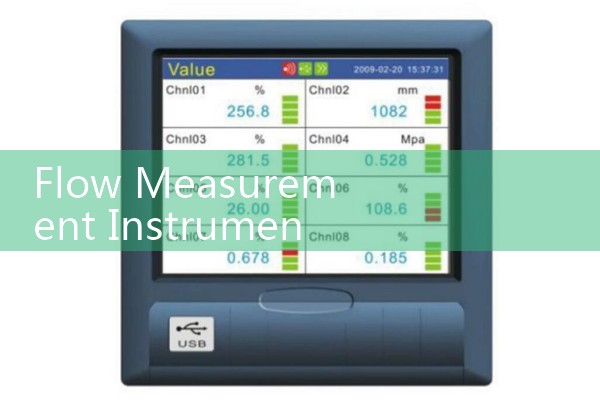
Pressure transmitters and paperless recorders complete the fluid management hardware set. A pressure transmitter mounted near the flow meter gives real time pressure drop data. A paperless recorder logs flow, pressure, and temperature in one file for audit trails.
Key Parameters for Small Line Dosing and Sampling
Do not guess the flow range. A meter sized for 0 to 500 kg/h will not read 0.5 kg/h with the same accuracy. Tell us the minimum and maximum flow rate. Tell us the normal running flow. Send viscosity in cP, density in kg per cubic meter, conductivity in µS/cm, pressure in bar, and temperature in °C.
Wetted parts matter more in lab QC than in many process plants. Silver Instruments supplies 316L stainless steel, PTFE, and Hastelloy C for aggressive solvents or acids. For a small DN4 Coriolis meter, the standard wetted mate
Line size is not a rough guess. We have received many requests for a DN15 meter when the actual tube was 6 mm. If the tube is 4 mm or 6 mm, specify the exact outside diameter and wall thickness. We will match the process connection. Common connections for lab hardware are tri clamp, tube compression, NPT, and flange.
Signal Outputs, Data Logging, and Batch Control
Most lab QC systems need one of three outputs. A 4-20 mA HART signal works for a standard control loop. RS485 Modbus works for multi meter data collection. Pulse output works for batch cuts and totalizing. Silver Instruments meters can include two outputs on one device.
A paperless recorder closes the loop. It stores flow rate, total, pressure, and temperature. The data can be exported to USB or shared over Ethernet. This matters when a QC batch fails and the team needs to review what happened at 14:32 on a specific day.
In one case, a dairy QC lab in Malaysia logged cleaning water flow through an electromagnetic flow meter. The recorder showed a low flow event during the rinse cycle. The team found a partially closed valve. That single data record saved a full re validation run.
Quick Selection Guide
For water based conductive fluids from 1 L per hour to 500 L per hour, choose an electromagnetic flow meter. For organic solvents and low flow mass measurement, choose a Coriolis mass flow meter. For non conductive oils and batch dosing, choose an oval gear flow meter. For gas sampling and purge lines, choose a thermal mass flow meter. For audit ready records, add a paperless recorder and a pressure transmitter.
FAQ on Laboratory Quality Control Fluid Management Hardware
1. Which flow meter works best for laboratory QC fluid management?
The choice depends on the fluid. Conductive water based fluids suit electromagnetic meters. Organic solvents and reagents suit Coriolis meters. Non conductive oils suit oval gear meters. Gas lines suit thermal mass meters.
2. Can you supply small line flow meters with calibration certificates?
Yes. Silver Instruments supplies meters from DN2 or DN3. Each meter can ship with a calibration certificate for flow, density, temperature, or volume. Tell us the calibration points you need.
3. What signal outputs are available for lab data logging?
4-20 mA HART, RS485 Modbus, and pulse output are standard. Some meters support two outputs at once. The paperless recorder can store flow, pressure, and temperature with a time stamp.
4. What wetted materials do you offer for aggressive solvents or acids?
316L stainless steel, PTFE, and Hastelloy C are common. For strong acids, PTFE lined electromagnetic meters work well. For solvent services, 316L stainless steel is the usual starting point.
5. How do I get a quote for a lab QC flow meter?
Send us your flow range, pipe size, pressure, temperature, fluid type, viscosity, and output signal. Contact Silver Instruments at Tel: +86-25-68650347, WhatsApp: +86-25-52155837, or WeChat: +86 15365082610.
Tell us the fluid, the minimum and maximum flow rate, the line size, and the required output. Silver Automation Instruments will reply with a model, a price, and a lead time. We serve lab QC users, pilot plants, and process skid builders in Southeast Asia, Australia, Latin America, Africa, and the Middle East. Our website is flow-meter.com.au.
 Hot Blog
 Related AD